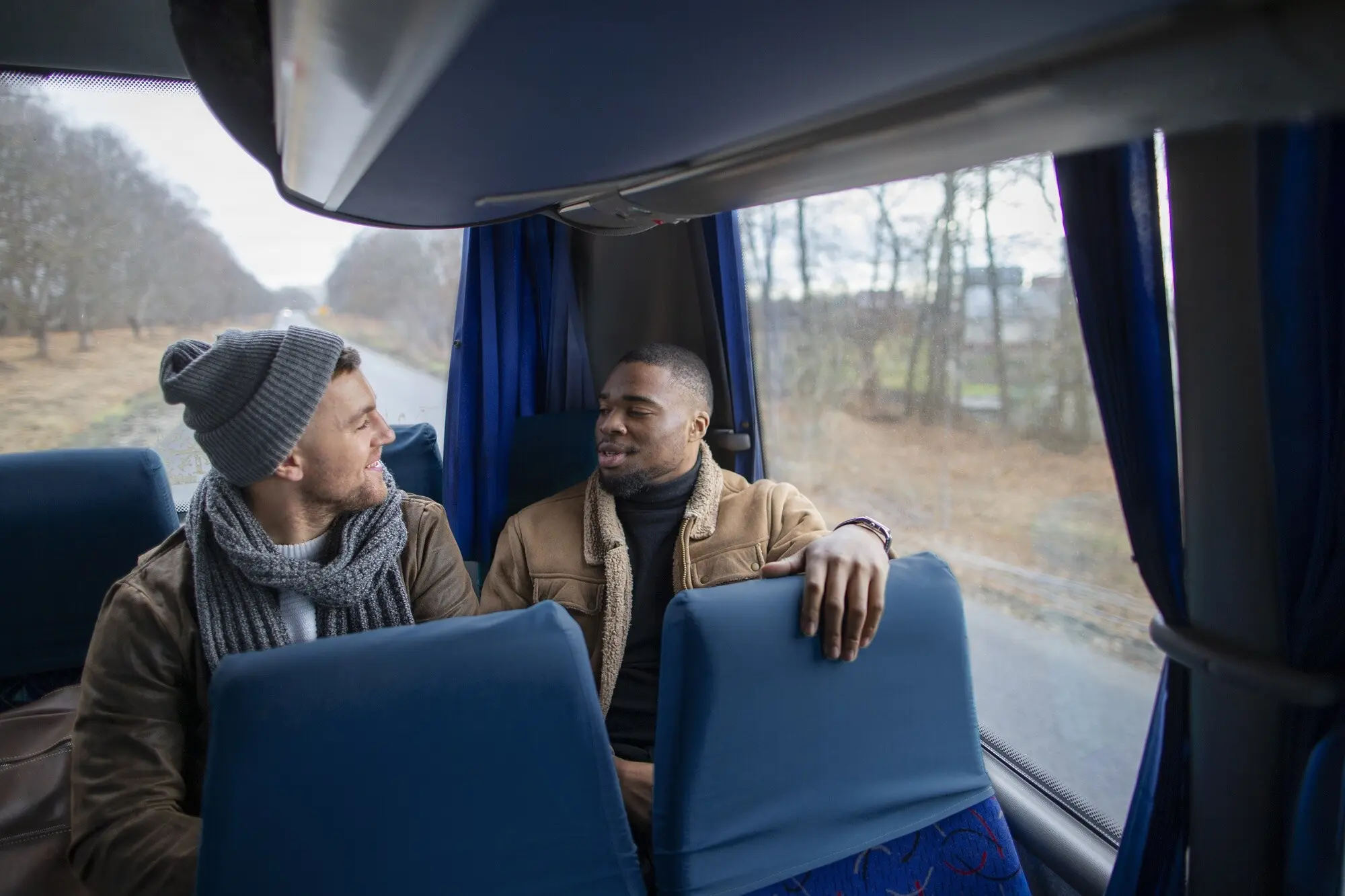

From Platform to Path: Adventures Linked by Rails
Planning Your Rail-Linked Ramble
Reading Schedules with a Walker’s Eye
Timetables are more than columns and codes; they shape the tempo of your day. Consider request stops, off-peak fares, platform changes, and the last dependable return. Add generous transfer buffers, anticipate delays, and choose connections that unlock quieter paths, giving you time to photograph hedgerows, greet locals, and breathe between stations.
Mapping Rights of Way Between Platforms
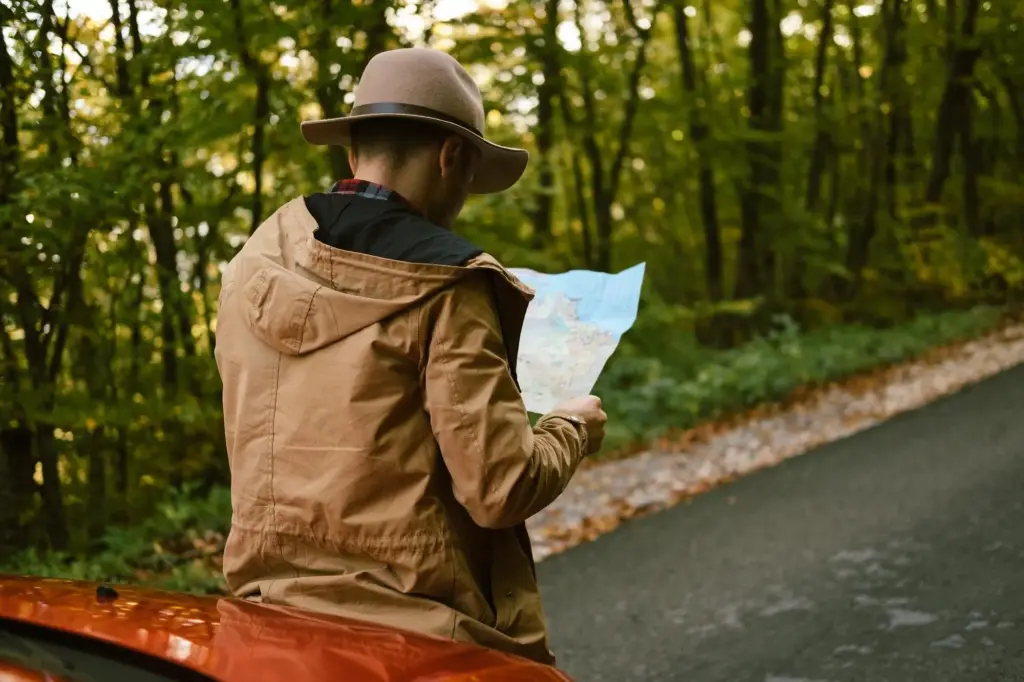
Ordnance Survey maps reveal ancient footpaths stitching parishes to sidings, rivers to rail arches, and ridgelines to signal boxes. Cross-reference diversions, permissive paths, towpaths, and nature reserves. Note stiles, steep gradients, and muddy sections. Plot alternatives for floods or livestock, ensuring your line-to-line journey flows safely, accessibly, and delightfully.
Landscapes Unfolding Between Platforms
01
Chalk Downs and Quiet Cuttings
Beyond a sleepy halt, a chalk path climbs past dew-soaked harebells, then falls to a shaded cutting where trains whisper through hawthorn. The chalk’s quick drainage favors spring orchids, skylark song, and sweeping horizons. Your pace invites noticing soil underfoot shift from crisp white dust to loamy hedge-bottom shade.
02
Moorland Miles and Weathered Stone
From a rural platform framed by gritstone, the path rises to heather, bog cotton, and lonely boundary stones. Here the railway’s engineering feels heroic—viaducts stepping valleys, culverts humming. Watch the sky; storms brew quickly, then vanish, leaving petricor, curlew calls, and rails gleaming like wet graphite in evening sun.
03
Sea Breezes and Marsh Paths
Trains skim dunes and creeks, then you step onto a boardwalk weaving salt marsh, gull calls circling above. Tides redraw options hourly, encouraging patience and curiosity. An echoing station canopy becomes a windbreak while you check waymarks, scan for avocets, and feel the coast’s shifting sands tug gently at plans.
Respect for Farmers and Footpaths
Footpaths often cross working land. Lambing fields, crops under fleece, and tractors on tight schedules deserve space and patience. Stick to marked lines, bypass muddy margins without trampling seedlings, and smile when meeting residents. A friendly wave and a brief thank-you can diffuse tensions and build lasting goodwill along popular link-ups.
Crossings, Bridges, and Safe Decisions
Railway crossings require full attention. Obey signs, listen carefully, and never rush gates or assume silence means safety. Prefer bridges or underpasses when options exist. If floodwater or poor visibility complicates access, reroute without hesitation. A ten-minute detour beats a risky dash, especially when dependable trains await your adjusted timing.
Weather Sense and Sensible Retreats
British weather loves surprises. Carry a simple plan B: earlier return, shorter loop, or mid-route café refuge. Check forecasts before leaving, then check again at lunch. High winds, lightning, fog, or swollen streams are valid reasons to adapt. Railside journeys feel richer when prudence preserves energy, morale, and shared safety.
Footnotes From the Line: Stories and Serendipity
Seasons Along the Rails
Greener Journeys and Local Connection