From Platform to Path: Adventures Linked by Rails

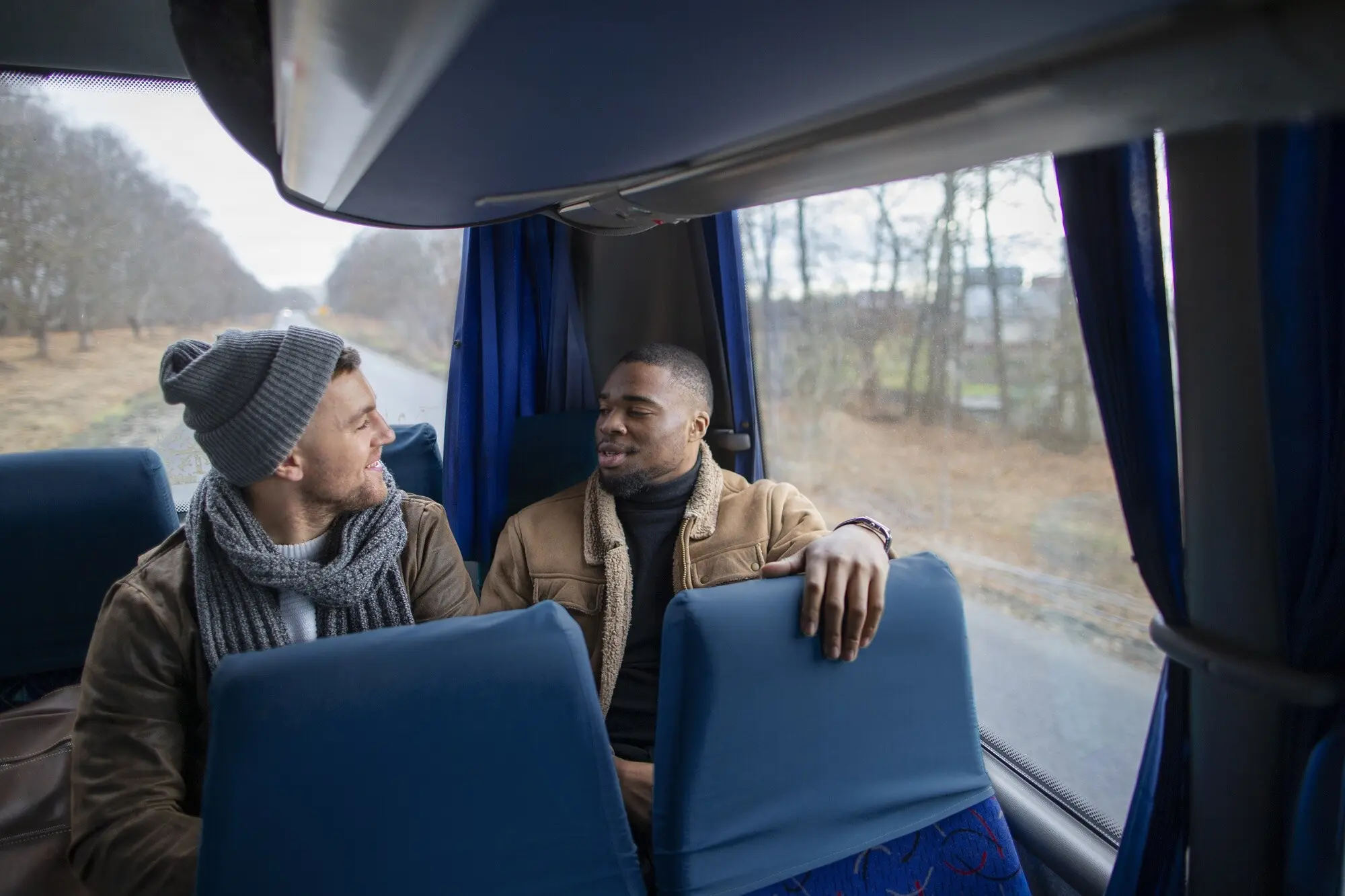
Today we explore Station-to-Station Walks: Rail-Linked Rambles Across the British Countryside, celebrating journeys that begin on a humble platform and wander through fields, villages, and moorland before greeting another waiting train. Expect practical guidance, real stories, seasonal tips, and gentle encouragement to lace up, step out, and let the timetable become a friendly compass.

Planning Your Rail-Linked Ramble

Good planning turns a simple outing into a confident, memorable day. Blend railway timetables with maps, daylight, terrain, and café opening hours to create routes that feel unhurried yet achievable. Leave wiggle room for detours, viewpoints, unexpected kindness, and the soft pleasure of arriving just as the next train rolls in.

Reading Schedules with a Walker’s Eye

Timetables are more than columns and codes; they shape the tempo of your day. Consider request stops, off-peak fares, platform changes, and the last dependable return. Add generous transfer buffers, anticipate delays, and choose connections that unlock quieter paths, giving you time to photograph hedgerows, greet locals, and breathe between stations.

Mapping Rights of Way Between Platforms

Ordnance Survey maps reveal ancient footpaths stitching parishes to sidings, rivers to rail arches, and ridgelines to signal boxes. Cross-reference diversions, permissive paths, towpaths, and nature reserves. Note stiles, steep gradients, and muddy sections. Plot alternatives for floods or livestock, ensuring your line-to-line journey flows safely, accessibly, and delightfully.

Landscapes Unfolding Between Platforms

Rail lines thread through astonishing variety: chalk downs glittering with flint, mossy cuttings murmuring with wrens, estuaries brushed by salt wind, and fells shouldering cloud. A station-to-station stroll samples each texture in sequence, revealing how geology, farming, and history shaped both footpaths and the routes that deliver you home again.

01

Chalk Downs and Quiet Cuttings

Beyond a sleepy halt, a chalk path climbs past dew-soaked harebells, then falls to a shaded cutting where trains whisper through hawthorn. The chalk’s quick drainage favors spring orchids, skylark song, and sweeping horizons. Your pace invites noticing soil underfoot shift from crisp white dust to loamy hedge-bottom shade.

02

Moorland Miles and Weathered Stone

From a rural platform framed by gritstone, the path rises to heather, bog cotton, and lonely boundary stones. Here the railway’s engineering feels heroic—viaducts stepping valleys, culverts humming. Watch the sky; storms brew quickly, then vanish, leaving petricor, curlew calls, and rails gleaming like wet graphite in evening sun.

03

Sea Breezes and Marsh Paths

Trains skim dunes and creeks, then you step onto a boardwalk weaving salt marsh, gull calls circling above. Tides redraw options hourly, encouraging patience and curiosity. An echoing station canopy becomes a windbreak while you check waymarks, scan for avocets, and feel the coast’s shifting sands tug gently at plans.
Respect for Farmers and Footpaths

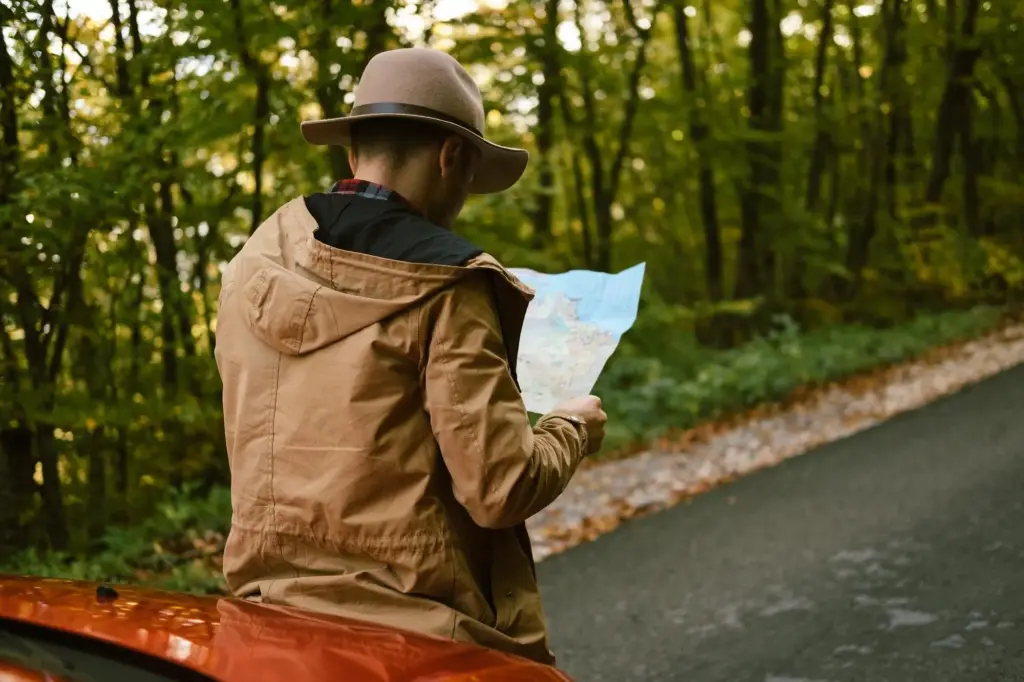
Footpaths often cross working land. Lambing fields, crops under fleece, and tractors on tight schedules deserve space and patience. Stick to marked lines, bypass muddy margins without trampling seedlings, and smile when meeting residents. A friendly wave and a brief thank-you can diffuse tensions and build lasting goodwill along popular link-ups.

Crossings, Bridges, and Safe Decisions

Railway crossings require full attention. Obey signs, listen carefully, and never rush gates or assume silence means safety. Prefer bridges or underpasses when options exist. If floodwater or poor visibility complicates access, reroute without hesitation. A ten-minute detour beats a risky dash, especially when dependable trains await your adjusted timing.

Weather Sense and Sensible Retreats

British weather loves surprises. Carry a simple plan B: earlier return, shorter loop, or mid-route café refuge. Check forecasts before leaving, then check again at lunch. High winds, lightning, fog, or swollen streams are valid reasons to adapt. Railside journeys feel richer when prudence preserves energy, morale, and shared safety.

Footnotes From the Line: Stories and Serendipity
Memorable days often hinge on small wonders: a station cat supervising departures, a stranger’s tip about a hidden stile, or a delayed train gifting time for sunset. These tales bind walkers to the rails, reminding us that timetables and footpaths both reward flexibility, curiosity, and cheerful, unplanned pauses.

Seasons Along the Rails

The railway calendar hums with change: primroses on embankments, high-summer nettles thrumming with insects, bracken bronzing, and frost sharpening sleepers. Tailor routes to daylight and habitat rhythms, catching blossom tunnels in spring, shaded becks in August, and sky-wide sunsets in winter when stations glow like warm, dependable beacons.

Greener Journeys and Local Connection

Travelling out and back by train lightens your footprint, spreads custom to small stations, and keeps rural lines lively. Choosing independent cafés, community-run shelters, and heritage trusts enriches each mile. Share feedback, pick litter, and post clear route notes so others repeat the circuit kindly, safely, and joyfully.

Carbon-Light Adventures Without the Car

Rail access trims emissions while preserving spontaneity. One tap buys freedom to roam without parking worries, road traffic, or locked gates at trailheads. When more people ramble by train, services stay viable and habitats lose fewer laybys. Your ticket becomes a tiny climate vote and a passport to unrushed discovery.

Supporting Stations, Shops, and Small Museums

A coffee from a station kiosk, a postcard from a volunteer-run museum, or bread from a village bakery keeps communities thriving. Ask staff for local updates; they often know flooded fords or closed bridges. Pocket receipts, share recommendations, and watch how tiny purchases weave lines of loyalty between walkers and rails.

Sharing Routes and Welcoming Others In

After your walk, post maps, realistic timings, and access notes, highlighting stiles, gradients, bus backups, and quiet escape points. Encourage beginners, celebrate adaptive equipment, and answer questions kindly. Subscribing to updates or leaving a thoughtful comment helps grow a respectful community where station-to-station journeys remain inclusive, practical, and wonderfully surprising.
Moriravolaxitavolorosento
Privacy Overview

This website uses cookies so that we can provide you with the best user experience possible. Cookie information is stored in your browser and performs functions such as recognising you when you return to our website and helping our team to understand which sections of the website you find most interesting and useful.